

Premium coffee was once a rather unfamiliar concept in a country accustomed to cups of coffee costing tens of thousands of dong, but in recent years this segment has grown much faster than the mainstream segment. The story here isn’t about how many points a coffee shop has to score or what international standards it meets, but rather the price buyers are willing to pay and the value they receive. This article will clarify what price range is considered premium, who is buying it, through which channels, and how to choose wisely to avoid overpaying.
1. How is Premium Coffee Defined?
In commercial practice, “premium” is a price point associated with a set of perceived values, not a certification. A product is typically classified in this segment when it meets several criteria: carefully selected and traceable ingredients, small batches with specific roasting dates, high-quality packaging with a one-way valve, transparent information about the variety, altitude, and processing methods, and a well-cared-for shopping experience. The difference from mass-produced goods lies in the seller selling a story and assurance of quality, not just the quantity of powder in the package. It’s important to distinguish this from the concept of “specialty”: specialty is the result of sensory scoring according to international protocols, while premium is how a product is positioned in the market. A batch that scores highly will usually be sold in the premium segment, but the reverse isn’t always true.
2. What price range is considered premium coffee?
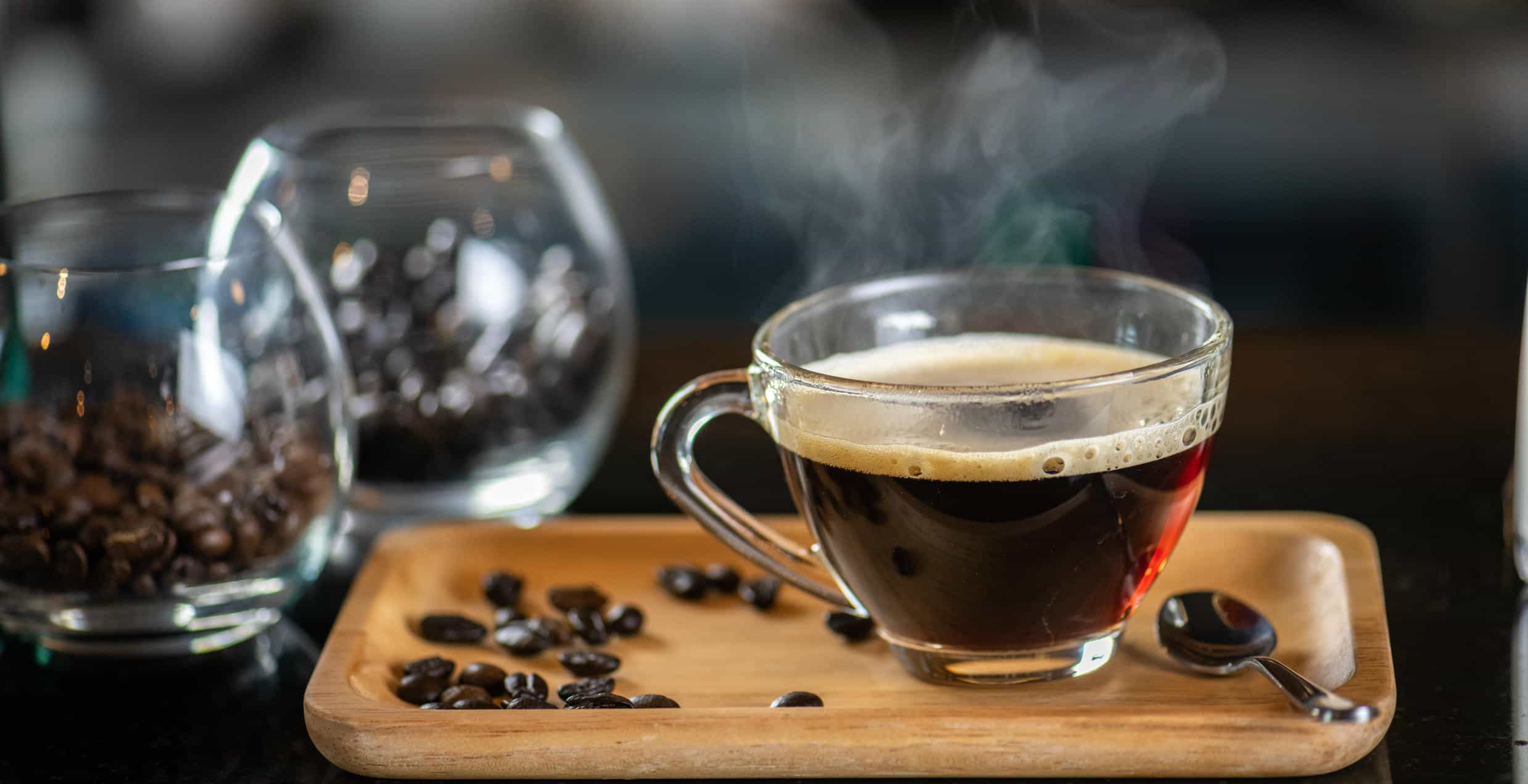
Numbers make the conversation clearer than any adjective. In the domestic retail channel, common roasted and ground coffee typically ranges from a few hundred thousand dong per kilogram depending on base quality and blending ratio. The group considered premium starts at a significantly higher price, while specialty coffee has reached 600,000–800,000 dong per kilogram, approximately double the 300,000–500,000 dong average for good quality coffee on the international market. A record high was reached at an auction in August 2024, when a batch of Arabica from Huong Hoa, Quang Tri, fetched 1.2 million dong per kilogram. In cafes, the common spending per coffee visit ranges from 41,000–70,000 dong, with about 44% of customers willing to spend at this level. Premium coffees are usually in the upper half of that range or higher, often featuring handcrafted brewing methods and beans with clearly stated origins.
3. Why is the high-end segment growing faster than the mass market?
The disparity in growth rates stems from the structure of demand, not from fleeting trends. The entire domestic retail coffee market is projected to grow by approximately 6% annually, but high-quality categories are growing faster: specialty coffee is increasing by around 6.95% annually, and Arabica by about 6.55%, while the mass-market segment, despite accounting for 87% of the market, is growing more slowly. Three reasons explain this. Firstly, rising urban incomes have shifted spending on beverages from prioritizing affordability to prioritizing value for money. Secondly, consumers are exposed to a wider variety of brewing methods and growing regions, leading to a diversification of tastes and creating room for differentiated products. Thirdly, the price of raw materials has increased significantly in recent years, narrowing the absolute gap between mass-market and premium products, making upgrades more acceptable to consumers.
4. A Profile of the High-Paying Customer Group
This customer segment is not homogeneous but is divided into several groups with different motivations. The first group consists of home drinkers with their own brewing equipment, often using improved filters, pour-overs, or home espresso machines, buying 250-gram packages and prioritizing roasting date over price. The second group comprises urban office workers who consider a cup of coffee a worthwhile daily expense, willing to pay 41,000–70,000 VND per time and choosing cafes based on bean quality. The third group consists of gift buyers, purchasing on special occasions and evaluating products primarily through packaging and brand story. The fourth group consists of cafe owners and hotel kitchens seeking ingredients to differentiate their menus. These four groups require four distinct approaches: the first group needs technical information, the second needs a consistent experience, the third needs presentation, and the fourth needs a consistent supply and complete quality records.
5. Premium Coffee as a Gift Product
Gift items represent a highly seasonal revenue stream but offer the best profit margins within the segment. Peak periods occur during the year-end and Lunar New Year, along with smaller milestones such as grand openings, partner appreciation events, or gifts for foreign guests. A key characteristic of gift buyers is that they evaluate products before tasting them, so the packaging, paper quality, internal arrangement, and accompanying materials largely determine perceived value. A common structure consists of two to three 200-250 gram packages from different growing regions, accompanied by flavor descriptions and brewing suggestions, sometimes including a coffee filter or cup. Because this is a seasonal product, two risks need to be carefully controlled: post-harvest inventory and bean freshness, as gift items are often stored for a considerable time before opening. Choosing a medium roast and packaging with a one-way valve will significantly reduce these risks.
6. Single Origin and the Story of the Growing Region
In the high-end segment, products from specific growing regions are almost the default standard because they allow for a verifiable story to be told. Vietnam has the raw materials for this purpose: Cau Dat in Lam Dong with Arabica grown at high altitudes, Son La and Dien Bien in the northern mountainous regions, Huong Hoa in Quang Tri which once set a record for auction quality, along with high-quality Robusta regions in Dak Lak, Dak Nong, and Gia Lai. The value lies not in the region name but in the accompanying information: cultivation altitude, variety, harvest time, processing method, and roasting date. A package containing all these details provides buyers with a basis for comparison between batches and ensures they return to purchase exactly what they prefer. Conversely, products that only list the region name without specific data will struggle to maintain a high price through subsequent purchases.
7. Packaging and Traceability Create a Perception of Value
Packaging in this segment serves both a protective and persuasive purpose. Technically, the bag needs a light and oxygen barrier, a one-way valve to release CO2 produced after roasting without allowing air to flow back in, and a zip lock for easy storage. In terms of information, differentiating data fields include the roasting date instead of just the expiration date, lot code, growing region name, variety, processing method, roasting level, and suggested blending ratio. If there is sustainable farming certification, the program name should be clearly stated, as only about 30% of the country’s cultivated area has achieved these certifications, making it a real differentiator. A practical principle: all numbers printed on the packaging must be verifiable. Buyers in the high-price segment tend to read carefully and compare brands, so exaggerated information will quickly backfire.
8. Distribution Channels for Premium Coffee
The sales method is just as important as the product itself, because the same package of beans placed in the wrong location will lose its ability to maintain its price. Four channels are currently operating effectively: brand-name stores where customers can sample before buying, the imported and selected product sections in large supermarkets, e-commerce platforms with online retail groups growing by about 8% annually, and the hotel, restaurant, and specialty coffee shop channel. In the export channel, targeting the high-end segment in demanding markets like Germany is being pursued by many businesses, given that Europe accounts for about 40% of Vietnam’s coffee export value. The general principle is that the channel that allows for the transmission of information and experience will maintain its price. Conversely, introducing high-end products into a channel that competes purely on price will quickly turn the product into a mass-market item in the eyes of buyers.
9. Common Risks When Making Premium Coffee
Simply raising prices and changing packaging isn’t enough to enter this market segment. The most common mistake is investing heavily in appearance while the quality of the beans and roasting skills aren’t commensurate, leading to repeat customers. A second mistake is neglecting the time factor: beans are at their best within a few weeks of roasting, so large inventories and slow turnover will silently ruin the customer experience, even if the initial product is excellent. A third mistake is expanding the product range too quickly, resulting in small production volumes for each item, making consistent roasting and quality control between batches difficult. A fourth mistake is exaggerating in marketing, especially using internationally standardized terms without accompanying benchmarks. The simple way to avoid this is to keep the product range concise, prioritize high turnover, and only state what is supported by evidence.
10. How to Choose Premium Coffee That’s Worth Your Money
If you’re a buyer, there are a few quick checks to help distinguish genuine high-quality coffee from cheaper alternatives. First, look for the roasting date on the packaging and prioritize packages roasted within the last four weeks, ignoring products with a long two-year expiration date. Next, read the origin description: a valuable product will usually state the growing region, variety, altitude, and processing method, rather than just using adjectives. Then consider the size; start with a 250-gram package that will last two to three weeks instead of buying a larger, cheaper package. Finally, try the same brewing method you use daily and note your impressions, as only comparisons under the same conditions will reveal the difference. With prices ranging from a few hundred thousand to 800,000 VND per kilogram, these four checks ensure you’re paying for quality, not just the packaging.