

Walking into a coffee shop, you’ll see dozens of different types of coffee on the shelves: whole beans, ground coffee, three-in-one instant coffee, filter bags, capsules, and then a menu board with iced black coffee, Vietnamese iced coffee with condensed milk, latte, and Americano. The most common question is: what are the differences and which one suits me best? This article systematically categorizes the most popular types of coffee on the market along three clear axes – by plant variety, by product form, and by beverage – along with specific identifying characteristics to help you choose quickly and avoid buying the wrong kind.
1. Three Ways to Classify Common Types of Coffee
Before delving into individual names, you need a basic classification framework to avoid confusion. The market typically categorizes coffee along three parallel axes. The first axis is the variety, including Arabica, Robusta, Culi, Cherry (also known as Excelsa), and Moka – this is the root that determines the original flavor of the bean. The second axis is the product form, that is, how the producer packages it and how you access it: whole beans, ground coffee, instant coffee, filter bags, capsules, or ready-to-drink bottles. The third axis is the drinks on the cafe menu, from black coffee, iced milk coffee, and Vietnamese iced coffee with condensed milk to espresso, latte, and cappuccino. A product always falls on all three axes simultaneously: a packet of filter coffee powder labeled 70% Robusta belongs to the variety axis (Robusta), the form axis (powder), and the drink axis (iced milk coffee). Understanding this classification will help you read labels faster and know what you’re comparing.
2. Arabica and Robusta on Vietnamese Store Shelves
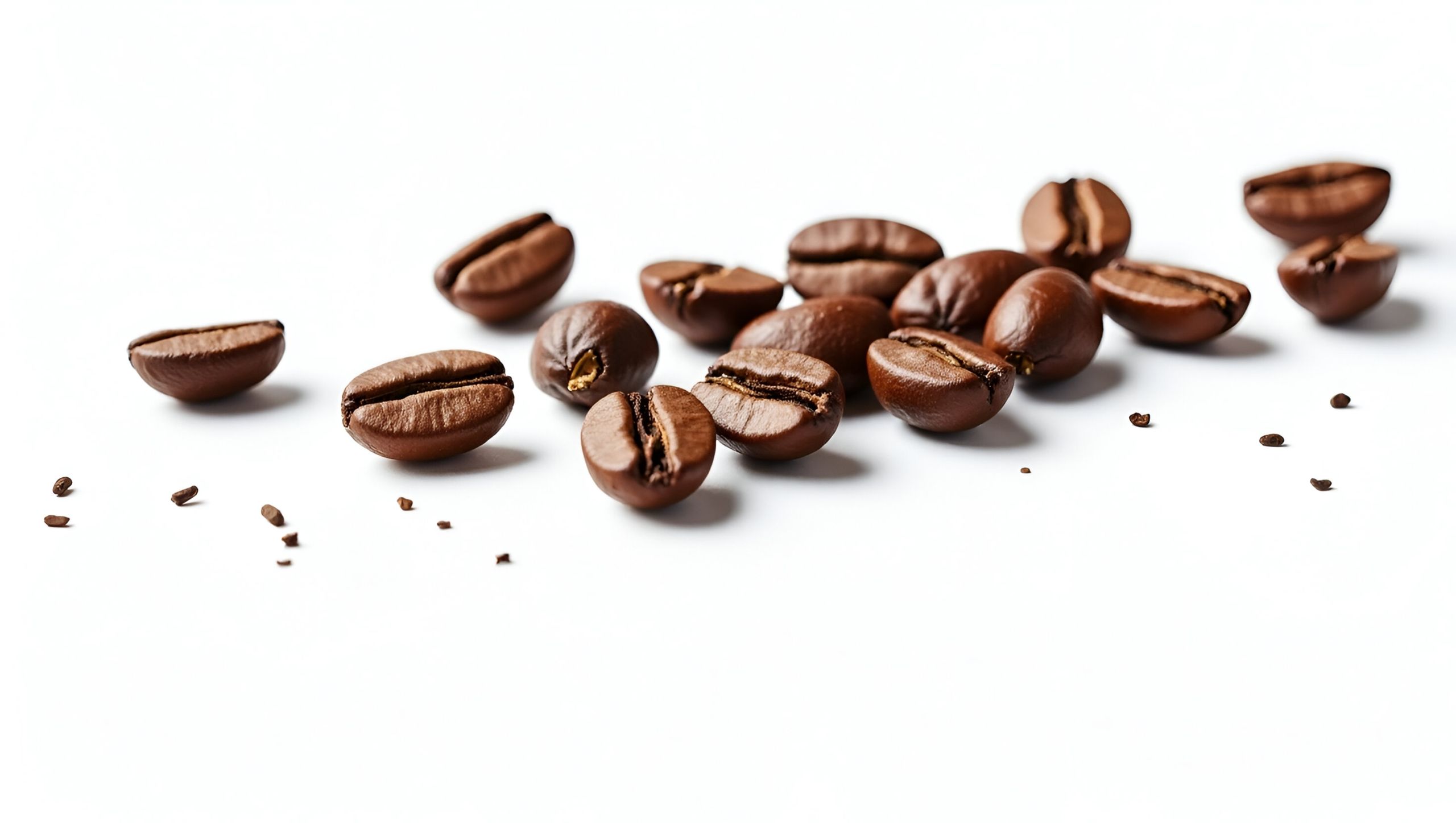
These two varieties account for almost all of the world’s commercial production. In Vietnam alone, Robusta accounts for about 90% of the area and production, concentrated in the Central Highlands; Arabica accounts for only a small portion, grown in Cau Dat, Son La, Dien Bien, or Khe Sanh. On retail shelves, you can recognize Robusta by its dark, thick brew, distinctly bitter taste, low acidity, lingering aftertaste, and thick foam when brewed with a filter. Arabica produces a reddish-brown brew with fruity or caramel notes and a pleasant, mild acidity. Looking at the roasted beans, Robusta is round and plump with a nearly straight dorsal groove, while Arabica is long and flat with a wavy groove. In terms of price, Arabica beans are always more expensive than Robusta, so a package labeled 100% Arabica that is sold unusually cheaply is highly suspicious. Most roasted and ground coffee sold domestically is a blend, commonly in ratios of 70/30, 80/20, or 50/50 between Robusta and Arabica to balance intensity and aroma.
3. Culi, Moka, and Cherry are in the Special Variety Group.
Besides the two main varieties, three other names frequently appear on Vietnamese coffee packaging. Culi is not a separate variety but refers to the bean itself: normally, each coffee cherry contains two beans facing each other, but about 5% of the cherries only produce a single, round, and firm bean. Culi can be Culi Arabica or Culi Robusta; thanks to its round shape, it receives heat evenly during roasting, resulting in a stronger and more intense cup than regular beans of the same variety. Moka is the familiar name for a group of Arabica varieties grown extensively in Cau Dat and Da Lat; the cherries are small, the yield is low, and they are prone to disease, so production is scarce and the price is high, but in return, the aroma is very captivating with floral and ripe fruit notes. Cherry or Excelsa belongs to the Liberica group; the trees are tall, drought-tolerant, the beans are large, light yellow, with a clean acidity and a characteristic earthy smell, so it is often blended in small proportions to create a highlight.
4. Whole Bean Coffee and Ground Coffee
On the product line, the two most basic options are whole beans and pre-ground powder. Whole beans retain their flavor much longer because of their smaller surface area exposed to oxygen, typically remaining good for three to six weeks after roasting if the packaging is airtight. However, you’ll need a grinder and must grind them to the correct size for each utensil. Pre-ground powder is much more convenient; you can mix it straight out of the package, but the flavor dissipates quickly and usually only retains its freshness for one to two weeks after opening. Visually, light-roasted beans have a rough, dry surface, while dark-roasted beans are oily and easily leave marks on your hands. With powder, observe the uniformity: good powder has relatively uniform grains, while powder with too many fine, powdery fragments is often a sign of poor grinding or adulteration.
5. Pure Instant Coffee and 2-in-1/3-in-1 Types
Instant coffees account for a large proportion of daily consumption due to their speed. Technologically, there are two main production methods: spray drying for a fine, inexpensive powder with a mild flavor; and freeze-drying, also known as freeze-drying, for a porous, crystalline powder that retains flavor much better and is more expensive. In terms of formula, pure instant coffee contains only one ingredient: coffee, with a true bitter taste and no sweetness. 2-in-1 varieties contain coffee and sugar, while 3-in-1 varieties add non-dairy creamer powder, making them sweeter and creamier, more convenient, but the percentage of actual coffee in each packet is usually low. The simplest way to identify them is to check the ingredient list on the back: if sugar or creamer powder is listed first, it’s a coffee-based beverage, not pure coffee. For this group, you should also carefully check the caffeine content listed on the label.
6. Filter Coffee Bags and Capsules for Busy People
Two increasingly popular and convenient forms of brewing are drip bags and capsules. Drip bags contain approximately eight to twelve grams of powder in a paper filter bag with two tabs that hang over the rim of the cup; you simply pour in slightly cooled boiled water and wait a few minutes. The advantages are precise dosing, no tools required, and each bag is usually individually sealed in aluminum foil with inert gas to prevent oxidation. Capsules are aluminum or plastic capsules containing five to seven grams of tightly compressed powder, used in specialized machines operating at high pressure, producing a strong espresso shot in less than a minute. The drawbacks are the higher cost per cup compared to buying regular powder, being tied to a specific brand’s machine, and the capsule shells creating additional waste if there isn’t a recycling program.
7. Bottled Cold Brew and Ready-to-Drink Coffee
Ready-to-drink (RTD) coffee includes bottled cold brew, canned milk coffee, and sparkling coffees. Bottled cold brew is brewed with cold water for several hours and then filtered, resulting in a sweet aftertaste, less acidity, and less harshness than hot brewed coffee that has cooled. Fresh, chilled products usually have a short shelf life, only a few days to about two weeks, while heat-sterilized or aseptic canned varieties can be stored for months at room temperature, but the flavor will be flatter. A notable variation is nitro cold brew, which uses nitrogen gas to create a smooth, beer-like foam and a creamy feel even without added milk. When choosing this category, look for two indicators: the amount of sugar per hundred milliliters and whether coffee is listed at the top of the ingredient list.
8. Popular Coffee Types According to Vietnamese Taste
On the beverage axis, Vietnamese cafe menus revolve around a few familiar recipes. Iced black coffee uses a strong brewed coffee base, usually around forty to sixty milliliters, with a little sugar to taste, then topped with ice. Iced milk coffee retains the same amount of base but adds about twenty to thirty milliliters of condensed milk, giving it a reddish-brown color and a rich, sweet flavor. “Bac xiu” (a type of Vietnamese coffee drink) is the opposite: milk is the main base, coffee only plays a role in creating color and a slightly bitter aftertaste, so the drink has a light beige color and is very easy to drink for beginners. Besides these three mainstays, there’s also egg coffee with a layer of whipped egg yolk cream, salted coffee with a light salty cream to balance the bitterness, and coconut coffee using blended coconut milk with ice. The common point of this group is that the coffee base must be strong enough so that it’s not overwhelmed.
9. Espresso, Latte, Cappuccino And Americano
Italian-style drinks all begin with an espresso shot, a concentrated extract of about thirty milliliters made from seven to nine grams of coffee grounds under high pressure, topped with a golden-brown crema. An Americano is espresso diluted with sixty to one hundred and twenty milliliters of hot water, resulting in a lighter drink while retaining the original flavor. A latte consists of a shot of espresso along with about one hundred and fifty to two hundred milliliters of steamed milk, topped with a thin layer of foam less than one centimeter thick, with a prominent milky flavor. A cappuccino is roughly divided into three parts: espresso, hot milk, and milk foam, with a foam layer one to two centimeters thick, making it lighter and fluffier than a latte despite having less milk. A flat white uses less milk than a latte, with a very fine foam layer, resulting in a more pronounced coffee flavor, while a mocha is a latte with added chocolate sauce.
10. Choose the right type of coffee to suit your needs.
The quickest way to choose is to go against your own habits. If you drink it in the morning to wake up, prefer a strong bitter taste, and brew it using a filter, prioritize Robusta powder or a Robusta-leaning blend, buying a small 250-gram package to last two weeks. If you want to explore flavors and are willing to invest in a grinder, buy whole Arabica beans with clearly stated roasting date, growing region, and processing method. Busy working people should choose filter bags or freeze-dried instant coffee instead of three-in-one instant coffee to avoid adding extra sugar each day. Offices with many people might consider capsule coffee makers to maintain consistent quality among multiple brewers. Whichever group you choose, make it a habit to check three pieces of information on the packaging: ingredients, roasting date or expiration date, and net weight – it’s a simple yet effective filter.